
Caregiver Burnout: The Signs, the Causes and What Actually Helps
Forgetting words mid sentence. Snapping at your kids over nothing. Feeling like you've disappeared into everyone else's needs. GP Dr Ginni Mansberg explains what's actually happening in your body when caregiving tips over into burnout, and what to do about it.
You might not know you're a carer until you break
A huge number of carers never actually think of themselves that way, right up until something forces the label on them. Gohar Yazdabadi, CEO of COTA NSW, spent months running between her two young daughters, a demanding job and both her parents as they moved through terminal illness, without once naming herself a carer. When it finally landed, it landed in her father's hospital discharge papers, which she opened at home and started reading the way you read any form.
"there was a line there that said, daughter is experiencing extreme carer stress. And it really hit me then because I hadn't realised at that time that I was a carer."
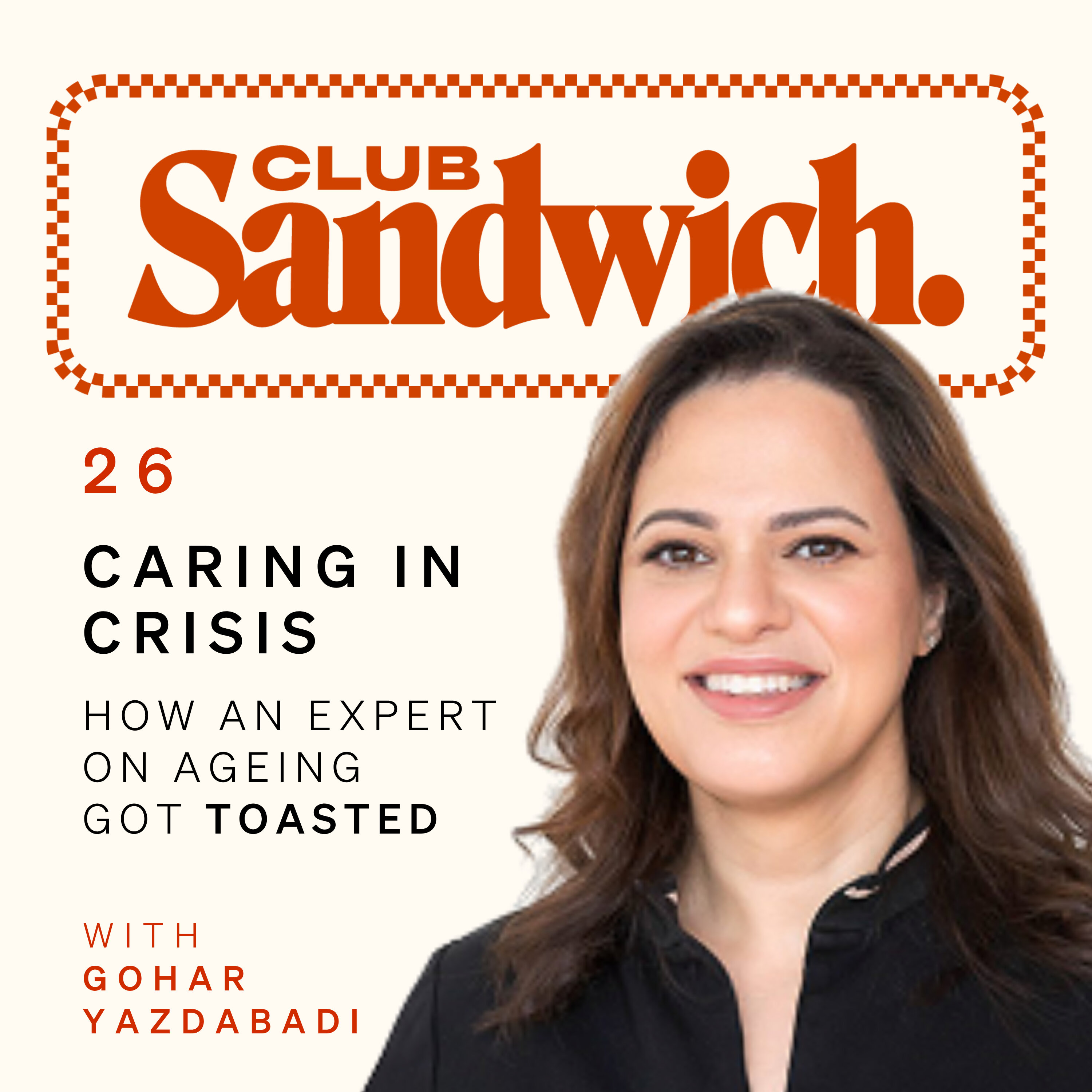
What makes this so common isn't a lack of self awareness, it's that nothing in daily life actually announces the role to you: there's no form to fill in, no job title, no moment anyone sits you down and tells you what you've become. It creeps in instead of arriving, which is exactly why it can take a doctor's note, a hospital form, or simply running out of road before you recognise it in yourself.
"You just find yourself one day waking up and realizing you're a carer."
What's actually happening in your body
A lot of carers describe the same frightening symptom: words go missing mid sentence, appointments get forgotten, and a quiet fear sets in that something is seriously wrong, on top of the exhaustion, the shorter temper and the sense that you've stopped existing as anyone other than the person who holds everything together. Dr Ginni Mansberg, a GP who sees this constantly, points to a much more common and much more fixable explanation for the memory piece: sustained stress hormones.
"Your adrenal glands go, [we're] gonna have to give this job to a long term actor. And that's where your cortisol steps in... it puts some things on the back burner. Memory is a big one. So a lot of people just feel like my memory is not working properly. I think I've got dementia. That's probably your cortisol."
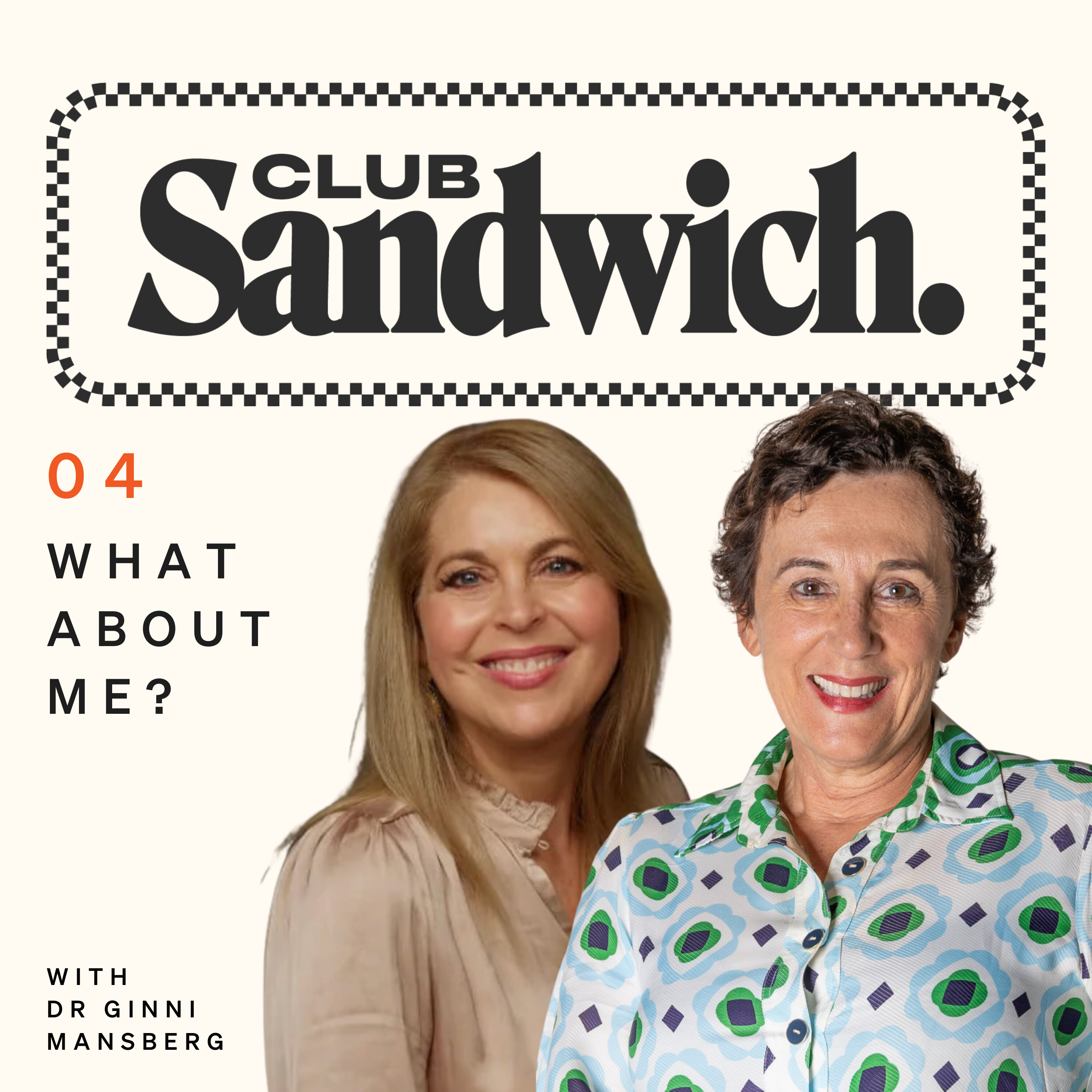
In plain terms: when your body is under prolonged pressure, it starts triaging what gets full resources and what gets shelved, and short term memory is often one of the first things to go. That's genuinely reassuring to hear if you've been quietly worried it means something worse. It also doesn't mean it's fine to ignore, because your body is telling you the load has been too high for too long.
Caregiver burnout doesn't need a formal diagnosis to be real
Caregiver burnout doesn't sit neatly inside a traditional medical category, which can make carers doubt whether what they're feeling counts as a real problem worth raising with a doctor. Mansberg is unambiguous on this point: burnout is absolutely a thing, even without a tidy diagnosis to hang it on. The tipping point, in her framing, is specific: caring for someone else becomes a problem the moment it stops you from caring for yourself.
"It's where that caring makes you unable to care for yourself that we then, Houston, have a problem."
Why looking after yourself feels so hard to justify
Part of what makes carer burnout so stubborn isn't medical at all, it's cultural. Mansberg sees it constantly in her clinic: women who treat their own wellbeing as an afterthought, and who feel a real hit of shame at the idea that they might deserve rest as much as anyone else in the family.
"A lot of women that I see feel that to pay attention to their own well being is a little bit self indulgent... There's a lot of shame and self loathing wrapped up in the idea that you deserve to be well as well."
Mansberg traces this back further than any one person's habits: our mothers and our wider culture have long celebrated the woman who gives everything of herself, right down to the eulogies we write for her, with self care rarely getting a mention. Against that backdrop, the more useful framing isn't self indulgence at all. The best thing you can do for your kids, and for the parent you're caring for, is actually to look after yourself first, even though so many carers feel guilty for doing exactly that.
Broadcaster and writer Indira Naidoo describes reaching the far side of that same instinct, the badge of busy that carers wear without ever questioning it.
"This busyness, that was the badge that we've got used to running with. It doesn't really hold much attraction to me anymore."

The isolation that comes with it
Burnout rarely arrives alone, and isolation is one of the quieter things feeding it. Caregiving swallows the time and energy that used to go into friendships, hobbies, even a five-minute conversation with someone who isn't asking you for something. Weeks go by where every message you send is logistics, a script pickup, a roster change, a form for a doctor, and none of it is really about you. People around you keep asking how your parent is doing. Almost nobody asks how you are doing, and after enough months of that, you stop expecting anyone to.
That gap matters more than it sounds like it should. Isolation doesn't just make burnout feel worse, it removes the thing that usually catches it early: someone close enough to notice you're running on empty before you notice it yourself. If your own circle has gone quiet, hearing from other people living through the same stretch of life can do some of that noticing for you. That's really the idea behind this show and the people who listen to it: not another task on the list, just others who already get it without you having to explain the whole thing first. If that sounds useful, our subscribe page has the ways to stay connected.
What actually helps: start with the boring stuff
Mansberg's advice, before anything more involved, is deliberately unglamorous: start with a GP visit and a basic blood test. Thyroid problems, low iron and low vitamin D can all produce symptoms that look exactly like burnout, and ruling out the low hanging fruit first means you're not trying to fix a physical problem with willpower, or a psychological one with supplements. Once the basics are checked, the harder but more important work is treating your own wellbeing as a fixed commitment rather than the first thing to be cancelled when the week gets busy. That might mean a standing appointment you protect the same way you'd protect a school pickup, or simply naming, out loud, that your health belongs on the same list as everyone else's.
If guilt is the feeling underneath a lot of this exhaustion, our guide to caregiver guilt goes into why it hits so hard and how to argue back against it. When the exhaustion is really grief, the slow loss of a parent who is still here, our guide to grieving a parent who is still alive names that particular ache. And if the load feels unevenly split within your family, see siblings and ageing parents for how to actually get help instead of carrying it alone. The sandwich generation hub has the wider picture of what this stage of life involves.
When the coping mechanism is a drink
One of the quieter burnout stories in this generation is how many carers reach for alcohol to get through the day, not because they have a drinking problem in any dramatic sense, but because nobody ever taught them another way to switch off distress. Melissa Reader, CEO of Vera and a Club Sandwich co-founder, has been candid about this in her own life.
"I needed to feel numb. I was so upset, I was so angry. I was so hurt. I needed to numb it out a little bit. And... I don't think we've really been taught how to numb that feeling or when you're in pain without alcohol. I think that was our generation's go to."
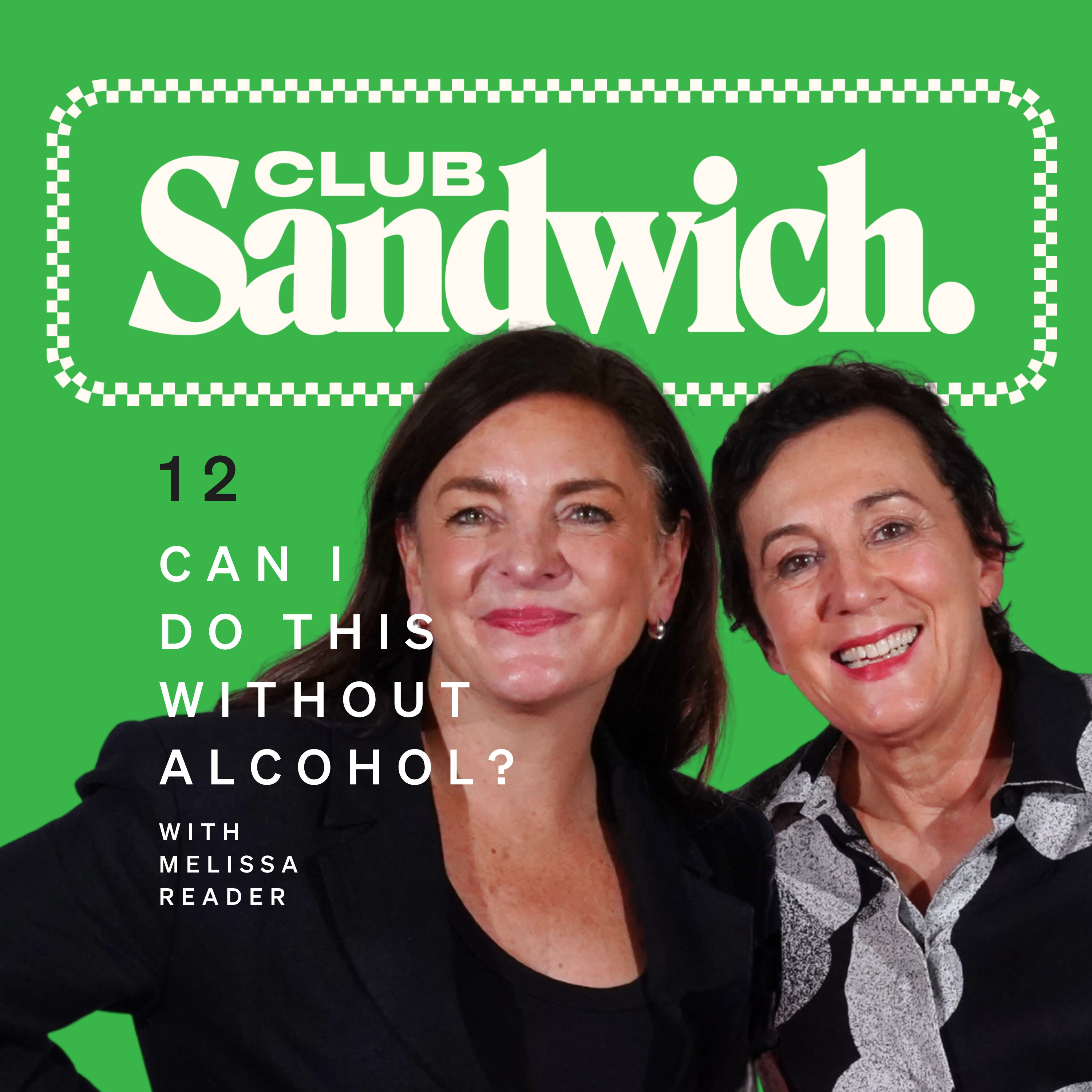
The useful question isn't whether you should never drink again, it's what the drink is actually doing for you in that moment, whether that's offloading stress, drawing a line under a hard day, or simply creating a small ritual of relief. Once you can name the job the drink is doing, it becomes possible to look for other ways to get the same effect.
"I don't want to give it up completely... what I want to do is to be much more thoughtful with what I drink and when I drink it."
Frequently asked questions
What are the signs of caregiver burnout?
Common signs include memory lapses and brain fog that can feel alarming ("am I getting dementia?"), constant exhaustion that sleep doesn't fix, a short fuse with the people you love most, and a creeping sense that you've stopped existing as anything other than a carer. GP Dr Ginni Mansberg points to the stress hormone cortisol as the physical mechanism behind a lot of this: under sustained pressure the body deprioritises functions like memory to cope, which is why so many burnt out carers worry something is seriously wrong with their brain.
Is caregiver burnout a real medical condition?
It doesn't sit neatly inside a traditional diagnosis, but GPs and psychologists treat it as very real. Dr Ginni Mansberg describes it plainly: burnout is absolutely a thing, even without a tidy medical label, and it shows up in the body as much as the mind.
Why is it so hard for carers to look after their own health?
Partly culture, partly guilt. Many women in particular grew up around a model of caring that treats self sacrifice as the whole point, so pausing to look after your own wellbeing can feel indulgent or even shameful, when in reality it's the thing that keeps you able to care for anyone at all.
What actually helps with caregiver burnout?
Start with the basics rather than the big emotional work: a GP visit and a blood test to rule out the physical, treatable stuff (thyroid, iron, vitamin D and similar) before assuming the exhaustion is purely psychological. From there, treat your own wellbeing as non negotiable rather than optional, the same way you would for your kids or the parent you're caring for.
Is it normal to drink more when you're burnt out from caring?
It's an extremely common coping pattern in this generation, reaching for a drink to numb pain that feels otherwise unmanageable. It's worth noticing what the drink is actually doing for you (offloading stress, creating a clean break from the day) and experimenting with getting that effect a different way, rather than assuming it has to be alcohol.
Keep going
Burnout rarely travels alone. See how it connects to guilt and to sharing the load with siblings, or listen to the full conversations behind this guide.