

Grieving a Parent Who Is Still Alive: The Loss No One Prepares You For
Nobody warns you that grief can start while your parent is still here. If you are watching an ageing parent change, decline, or slip away in pieces, the ache you feel has a name, and you are not doing anything wrong by feeling it.
Yes, you can grieve someone who is still here
Grieving a parent who is still alive means mourning the person, the relationship, or the future you are losing while they are still in front of you. It is real, it is common, and it has been given names: psychologists call the sorrow you feel for a loss you can see coming anticipatory grief, and when a parent is present in body but altered in mind, they call it ambiguous loss. You do not have to wait for someone to die to miss them.
It rarely arrives as one big wave. It comes in small, specific moments: noticing that your once sharp, capable mother now needs help with the things she used to do without thinking. Broadcaster Bianca Dye, the sole carer for her mum, described exactly this.
"I'll say, oh, Mum, you've got stuff all over your jeans. And I get really upset. Cause it's so confronting to see this woman that was so savvy and quick and sharp and really cared about how she looked. And now she's like this little frail thing and she's got stains on her pants and I just, like. I just want to cry."

That is grief, even though no one has died. Clinical psychologists who work with the sandwich generation see it constantly, and they are clear that it is a legitimate form of loss rather than an overreaction.
"anticipatory grief is a real thing. It is as though we're grieving in real time the anticipated loss of this person or this attachment. ... that can feel very confusing often for people that this person is still alive. And yet I'm feeling all these things."

Naming it matters. Once you understand that what you are feeling is grief, you can stop treating it as weakness and start treating it with the kindness any grief deserves. For the wider picture of this stage of life, our overview of what it means to be the sandwich generation puts the whole load in context.
The role reversal that quietly breaks your heart
One of the sharpest losses is the reversal itself. The parent who fed you, worried about you and picked you up now needs you to do those things for them. It can happen so gradually that you barely notice, and then a single ordinary moment brings it home. Host Sarah Macdonald knows the feeling well.
"what I find really confronting is that role reversal that, you know, sometimes I'll be helping my mum get dressed, or I'll be doing the seatbelt up for her in the car or just helping her with things that she would have done for me when I was little"

Doing up a seatbelt for the person who once buckled you in is a small act that carries an enormous amount of feeling. You are still caring for them out of love, and you are also grieving the version of them who did not need it. That grief often gets tangled up with guilt, which we untangle in our guide to caregiver guilt.
When dementia is the long goodbye
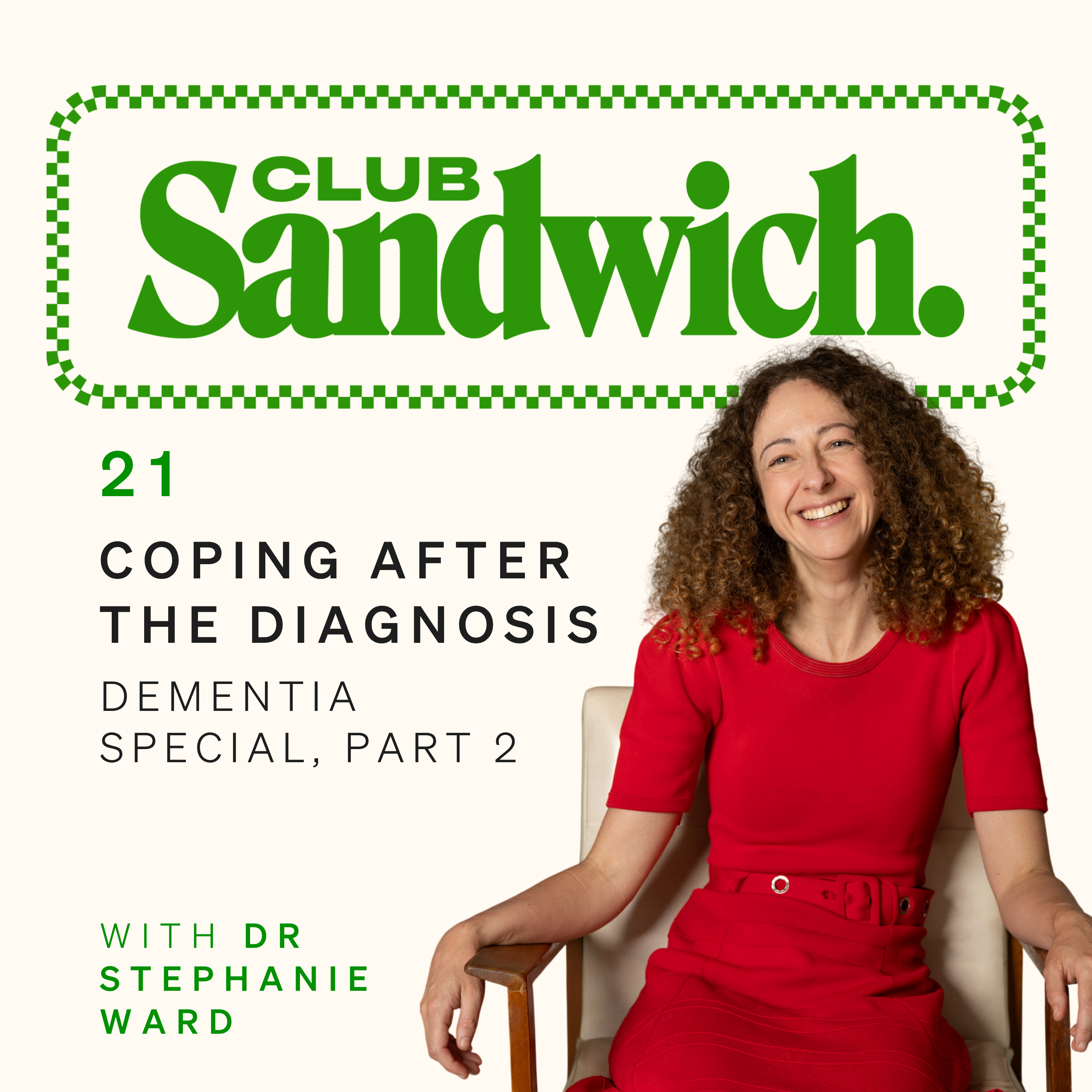
No form of grieving a living parent is sharper than dementia. The person is still here, but the parent you knew arrives and departs in fragments, and you can find yourself mourning them over and over. Some days they are present and themselves; other days they are looking straight at you and cannot place who you are. Geriatrician Dr Stephanie Ward is honest about what that costs a family.
"It's heartbreaking. There's a lot of grief caring for someone with dementia and they change and they're not quite the parent they were before and they're not as interested in the things that you do that they used to be. And it is that series of saying goodbye to somebody that you love."
Being remembered as a much younger version of yourself, or not being recognised at all, is one of the most painful experiences a carer describes, and grieving it is not disloyal. What tends to help is meeting the parent where they are now rather than mourning only who they were. Our guide to dementia in a parent covers the day to day of that, from the repeated questions to whether visiting still matters when they will not remember you came.
Where guilt gets tangled into the grief
Grief for a living parent almost never travels alone. Guilt comes with it: guilt for feeling relief as well as sorrow, guilt for the frustration that creeps in on the hard days, and, for many carers, guilt over the fleeting wish that it would all be over and their parent could finally rest. That last thought is far more common than anyone admits, and having it does not make you a bad son or daughter. It usually means the caring has become genuinely too hard in that moment, while the grief and the love stay entirely real.
Because guilt sits so close to this kind of grief, it is worth reading our guide to caregiver guilt alongside this one. The two feelings feed each other, and working on the guilt tends to lighten the grief as well.
Grief that comes in waves, not stages
If you are waiting to move neatly through the stages of grief and come out the other side, that is not how it works, and it is a relief to stop expecting it to. Grief does not line up in order, and it does not wait for a death to begin. The same waves that wash over you now, while your parent is still alive, are the ones that will keep arriving for the rest of your life. Clinical psychologist Jo Lamble puts it plainly.
"It doesn't matter whether you've recently lost your mum or it was years and years ago, Mother's Day will always be painful. ... You live with grief your whole life. You know, we don't talk about the stages of grief anymore. We talk about waves of grief ... there's certain times in life where the waves are really strong and that's like mother's Day, that's a really strong wave."
Some waves you can see coming, a birthday, a holiday, the anniversary of a diagnosis, and some arrive out of nowhere. Giving them a place to land, a few minutes in the shower or the car to let yourself feel the unfairness of it and then step back out, is one of the most practical things you can do. You are not trying to stop the waves. You are learning to let them pass through you.
When your parent is the one grieving
Sometimes the person grieving in your family is not you, it is your parent. A mother or father who has just lost the partner they built a whole life with is facing a loss that can be even harder to watch than to name, and as the adult child you often become their main support while carrying your own grief too. The instinct is to protect them from the subject and keep things light. In practice, the opposite tends to help: get them talking about the person they lost, and expect this to take years, not weeks. Our guide to helping a widowed parent covers this in full, including the practical gaps a marriage quietly covered for and the loneliness that outlasts the sympathy cards. If it is your own parent who has since died, our guide to losing a parent picks up from exactly this point.
Frequently asked questions
Can you grieve someone who is still alive?
Yes. Grieving someone who is still alive is a real and common experience, and psychologists have names for it: anticipatory grief, when you mourn a loss you can see coming, and ambiguous loss, when a parent is present in body but changed in mind. You can find yourself missing your parent while you are sitting right next to them. It does not mean you have given up on them or love them any less.
Why do I feel like I am grieving a parent who is still here?
Because you are losing them in pieces. Each change, a name forgotten, a skill lost, the moment they start leaning on you instead of the other way around, is a small loss you grieve in real time. It can feel like your mind is constantly having to update its picture of who your parent is, which is exhausting and genuinely sad. Grieving the parent you used to have, and the relationship you used to share, is a normal response to watching someone you love change.
Is it normal to grieve a parent with dementia while they are still alive?
It is one of the most common and least talked about parts of caring for a parent with dementia. A geriatrician on the Club Sandwich podcast described it as a series of saying goodbye, because the person changes and is not quite the parent they were before. They may remember you as a much younger version of yourself, or not recognise you at all, and grieving that is not a betrayal. Our guide to dementia in a parent goes deeper into what helps day to day.
How do I cope with grieving a parent who is still alive?
Let the grief be real rather than arguing yourself out of it, and give it somewhere to go: a few minutes to cry, a friend who will listen, or a note to the parent you remember. Grief does not move through tidy stages, it comes in waves, so some days will be much harder than others and that is expected. Watch for guilt riding alongside the grief, and be as gentle with yourself as you would be with a friend in the same situation. If the load is becoming too heavy to carry alone, that is a sign to reach out for support, not a sign of failure.
How can I help a parent who has lost their partner?
Get them talking about the person they lost rather than steering around it, and know there is no time limit on grief, so patience matters more than fixing anything. Our guide to helping a widowed parent covers this in full: the practical gaps a marriage quietly covered for, the loneliness that outlasts the sympathy cards, and when to worry.
Where to next
Grieving a living parent touches guilt, dementia, and the harder conversations still ahead. These guides sit closest to this one, or you can listen to the full conversations behind it.