

Power of Attorney and Wills for Elderly Parents: The Family Side of the Paperwork
The hard part of powers of attorney and wills is rarely the forms. It is the family decisions underneath them: who to appoint, whether you can say no, what happens when capacity slips away, and who really decides where your parent lives. This is a guide to choosing, being, and surviving the paperwork together, not a substitute for legal advice.
Appointing someone is a job, not an honour
It is tempting to treat being named power of attorney as a mark of trust, the eldest child's due, or a way to keep the peace by giving everyone a share. It is none of those things. A power of attorney is the document that governs who makes financial decisions for a person once they can no longer make those decisions themselves, from paying the bills to selling the family home. Choosing who holds that role, and being honest about whether they can actually do it, matters far more than who feels entitled to it. Marie Brownell, who runs estate planning and administration at a state trustee, describes the test she wants families to apply.
"So whoever you're appointing ... You've got to think, do I have no doubt that this person is going to do what I ask them to do? ... Are they honest? Are they trustworthy? Are they going to respect my wishes, my choices? Are they going to make decisions in my best interests?"

Two siblings appointed jointly can be a real safeguard, because each is a check on the other. But joint appointees usually have to agree before anything happens, so if the two of them cannot get along, that safeguard becomes a stalemate that can freeze a parent's affairs at the worst possible moment. The uncomfortable rule of thumb is not to appoint two people who do not work well together, however fair splitting it down the middle feels. If naming one child over another is going to be read as a verdict on who is loved more, that is a conversation to have out loud, ideally alongside the wider one about what your parents actually want.
Being the attorney, and your right to say no
If it is your name being put forward, know this: you can decline. Plenty of adult children accept out of guilt or a sense that refusing would hurt a parent, then spend years quietly buckling under a job they never wanted. The moment to be honest is before you sign, not after. Once the appointment is live, backing out is no longer a simple matter of handing it back. Brownell is blunt about how, and when, to say no.
"Hang on a minute, Mum, don't do it. I don't want to be appointed. Or if they say, I've made the power of attorney, can you please sign your acceptance? If you don't want to do it, do not sign the acceptance. You'll need to say, I'm sorry, this is not something I want to do for you."
Saying yes comes with a constraint people often miss, too. While your parent still has capacity, an attorney is bound to act on their instructions, not on their own view of what would be best. You cannot decide you know better and quietly do something different. That is worth understanding before you take on the role for a parent whose choices you do not always agree with, because the job is to carry out their wishes, not to substitute yours.
The capacity trap: do it before, not after
This is the single most important thing families get wrong, and it is the reason so many end up in a tribunal. A power of attorney can only be made while the person still has the capacity to understand what they are signing. The word people miss is enduring: an enduring power of attorney is the version that keeps working after capacity is lost, which is precisely when it is needed. A dementia diagnosis does not flip a switch and erase that capacity overnight, and Brownell uses herself to explain why the timing matters so much.
"So the enduring part means that it will continue to remain in effect if you lose capacity. So, for example, if I was diagnosed with dementia today, I'm still fine. I can still make decisions. I've still got the capacity to make a power of attorney. So I might make an enduring power of attorney"
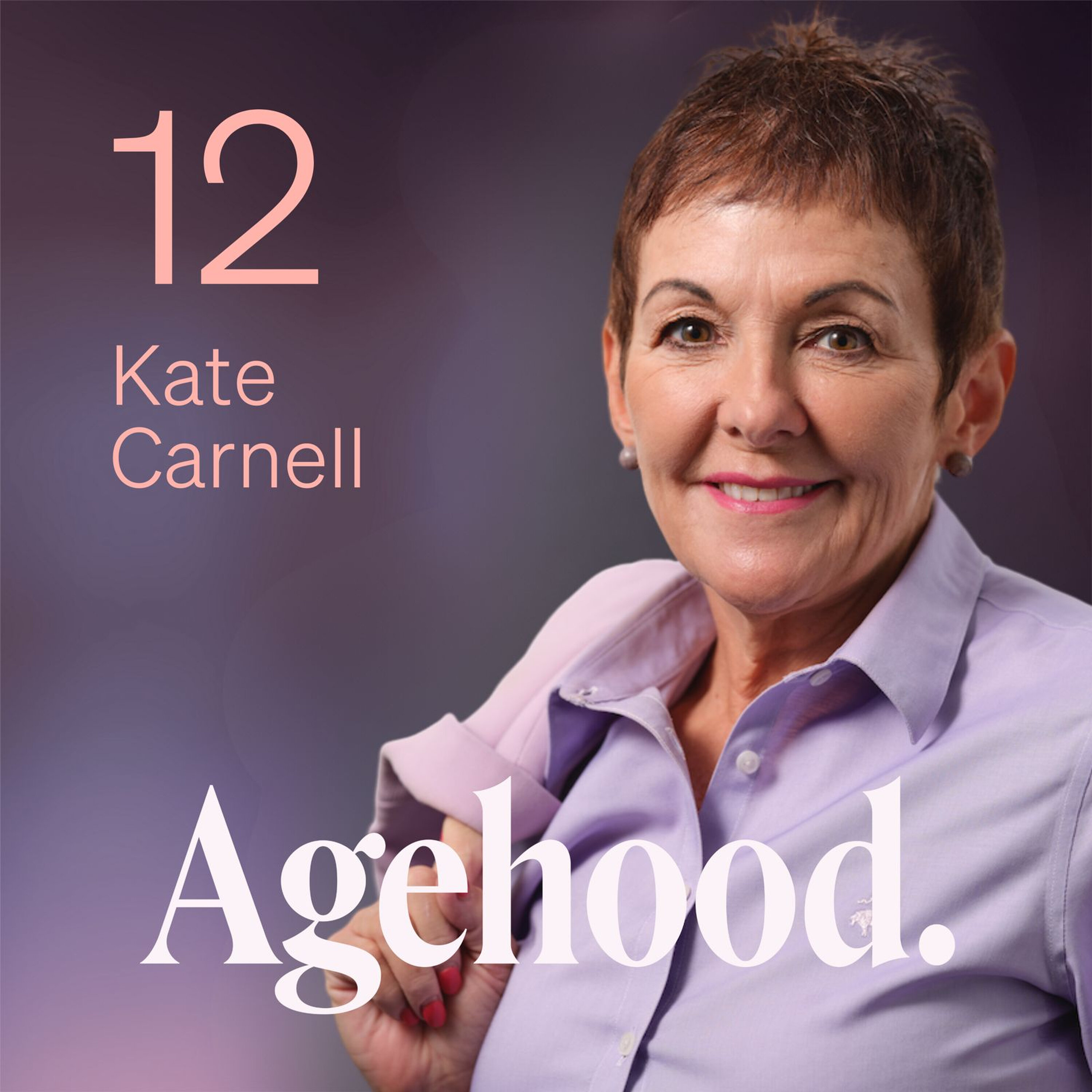
So an early diagnosis is not the end of the window to plan, it is the last clear stretch of it. Our guide to dementia in a parent covers how capacity is assessed and why it is not black and white. But that stretch does close, and waiting is the mistake. Kate Carnell, a former health minister who watched her own parents' plans unravel, puts the urgency plainly.
"One of the saddest things at the moment is, you know, the levels of dementia are going up, up quite significantly. And the problem is it isn't legally possible to have a power of attorney when somebody doesn't have the capacity to make the call. ... putting it off for a long time often means you get to a point where you can't do it anymore. It's not possible."
If capacity is already in doubt and no documents exist, the paperwork cannot be created retrospectively. The family's only route is usually a tribunal that appoints someone to manage the person's affairs, a slower, costlier and far less personal outcome than a document signed over a cup of tea years earlier would have been.
How to actually get power of attorney for an elderly parent
Underneath the legal terminology, getting power of attorney sorted follows the same broad pattern almost everywhere, even though the paperwork's name and exact rules shift from place to place. It starts with your parent, not with you: only they can appoint their attorney, and only while they still have the capacity to understand what they are signing. You cannot apply for power of attorney over a parent the way you might apply for a licence; it is a document your parent makes and gives, not one a child obtains.
In practice that means a conversation first, then paperwork. Your parent, not the family, decides who they want and how much authority to hand over, and signs the document, which then needs to be witnessed or certified according to whatever rules apply where they live. Some places want an independent witness, others want a solicitor's certification that your parent understood what they were signing; either way, the witnessing step exists precisely so nobody can claim later that a vulnerable parent was pressured into it.
Capacity is the hard gate, and it only opens one way. If your parent still understands the decision, the paperwork can be done, even alongside a dementia diagnosis, as covered above. But if capacity has already gone and no power of attorney exists, the document cannot be created after the fact. At that point the family's option is usually a tribunal or court process that appoints someone to manage your parent's affairs instead, which differs significantly by jurisdiction and is slower, costlier and far less personal than a document signed while your parent could still choose.
For the forms themselves, three places tend to have them: a solicitor or estate-planning lawyer, who can also advise on capacity and witnessing; a public trustee or equivalent government body, which in many places offers low-cost or free standard forms; and official government or court websites, which usually publish the current approved template. Whichever route you take, do it while the conversation is still just a conversation and not yet an emergency.
Who decides where your parent lives, and the inheritance trap
One of the most common and most anguished questions carers ask is: who actually decides whether Dad goes into a nursing home? In many systems, that decision does not sit with the financial attorney at all. Money decisions and lifestyle decisions are often split across two different documents: a financial power of attorney for the money, and a separate guardianship appointment for where the person lives and what care and medical treatment they receive. The guardian works with the attorney on what is affordable, but ultimately holds the call on accommodation and care. That split exists for a reason, and the reason is uncomfortable. Brownell names the conflict of interest it is designed to guard against.
"some people might say, look, I really. I really want to be at home ... and I don't want to be put in a nursing home. ... Some kids might think that's going to be really expensive and that means there's less for us when the estate falls in. We won't do that. We'll just put Mum in the nursing home."
That fear, that a sibling might quietly choose the cheaper option to protect their share of the estate, is exactly why appointing people you trust to honour a parent's wishes over their own interest matters so much. The best protection is knowing what your parent genuinely wants while they can still tell you, so that whoever holds the role is advocating for a stated wish rather than guessing. The documents themselves, their names, and how the money-versus-lifestyle split works vary a great deal between countries and states. If your parent is in Australia, our Australian guide covers how that system is structured; anywhere else, a local solicitor or public trustee is the place to get the detail right.
Executors, wills and the family fault lines
A will names an executor, the person who takes control of the estate, applies for the legal authority to act, pays what is owed and distributes what is left. On paper it is administration. In practice it is the moment old family fault lines tend to open, at precisely the point when everyone is grieving. It is not a job that spares even the well-prepared. Brownell tells a story that lands hard with anyone who has assumed a good relationship with their siblings will carry them through.
"It's a tough gig. You know, I had a friend who, you know, was a lawyer, used to do this stuff all the time, and her mum passed away and she was the executor of her mum's estate. And she said to me, wow, I didn't realise how painful my siblings are. ... And she had a great relationship with her siblings. They got on really, really well."
At the harder end, conflict between co-executors can get so entrenched that a court steps in, removes the feuding siblings, and hands the estate to an independent administrator. And an executor who mishandles or pockets estate money can be very difficult to hold to account after the fact. None of this is an argument for avoiding a will; it is an argument for choosing an executor on temperament rather than birth order, and for having the conversation early. The wider dynamics between brothers and sisters at this stage of life are their own subject, and our guide to siblings and ageing parents goes deeper on getting everyone to actually pull together.
Do the paperwork before you need it
The thread running through all of this is timing. A will, a power of attorney and a guardianship appointment are far easier to do all at once, while a parent is well and thinking clearly, than to piece together in a hospital corridor after a fall. Done early, it is a calm afternoon of decisions. Done late, or not at all, it becomes a tribunal, a stalled estate, or a caregiver making impossible calls with no idea what their mother or father would have wanted.
The blocker is almost never the cost, which in many places is modest and sometimes free. It is that nobody wants to raise it. Opening the conversation with an aging parent about death, money and decline is its own skill, and our guide to talking about death with your parents is built entirely around how to start it without it landing as morbid or grabby. If you want the bigger picture of everything this stage of life asks of you, the sandwich generation hub pulls it together. None of this page is legal advice: the documents, their names and their rules differ wherever you live, so a solicitor or public trustee is who confirms what is right for your family.
Frequently asked questions
Can I refuse to be power of attorney for my parent?
Yes. Being someone's attorney is a job, not an honour, and you are allowed to say no. The cleanest time to decline is before you sign your acceptance, because once the appointment is in effect, stepping down usually means going through a tribunal rather than simply handing it back. If you have real doubts about the time, the family tension or the responsibility involved, it is far kinder to everyone to say so early than to accept out of guilt and struggle later.
Mum has dementia. Can she still make a power of attorney?
Often, yes, at least early on. A dementia diagnosis does not automatically remove the legal capacity to make a power of attorney; what matters is whether the person understands the decision and is acting free of pressure at the time they sign. That capacity does fade, though, which is exactly why families are urged to sort the paperwork sooner rather than waiting for a crisis. The exact rules and who assesses capacity differ by jurisdiction, so a solicitor or public trustee is the right person to confirm it in your situation.
How do I get power of attorney for an elderly parent?
Your parent has to do it, not you: while they still have capacity, they choose an attorney, sign the document, and have it witnessed or certified according to the rules where they live. There is no application a child files to get power of attorney over a parent, only a document a capable parent chooses to make. Solicitors, public trustees or equivalent bodies, and official government or court websites usually have the forms. If capacity has already gone and nothing was signed, the document cannot be made retrospectively, and a tribunal or court process is typically the only remaining route.
Who decides if my parent goes into a nursing home?
In many systems the person who decides where an adult with reduced capacity lives is not the financial attorney but a separately appointed guardian, who handles accommodation, care and medical decisions and works with the attorney on what is affordable. The two roles are deliberately different, which is one reason it helps to appoint both before a crisis rather than after. Because the names and structure of these documents vary from one country and state to the next, check how they actually work where your parent lives.
My siblings and I are joint power of attorney and we disagree. What happens?
Joint appointees usually have to make decisions together, so a genuine stalemate between siblings can stall everything and, in the worst cases, end up in front of a tribunal or court. That is why the practical advice is not to appoint two people who cannot get along in the first place. If you are already stuck, treat your parent's expressed wishes as the tie breaker, and get independent legal advice rather than letting it fester into a lasting family rift.
What happens if my parent dies without a will?
If someone dies without a will they are said to die intestate, and the law rather than the family sets out who inherits and in what shares. Someone still has to step forward to administer the estate, and that is often where families get stuck, especially when several children have equal claims or one lives overseas. The specific rules differ by country and state, so a solicitor or public trustee can tell you who is entitled to apply and how.
Keep going
The paperwork is one piece of a much bigger picture. See how to raise it, how to keep your siblings on side, or listen to the full conversation behind this guide.