

How to Talk to Your Ageing Parents About Death (Before It Becomes an Emergency)
There is no perfect moment to talk to your parents about death, which is exactly why so many families wait until a hospital corridor forces it. It does not have to be that way. Started early and gently, the conversation about dying, wills and what they would actually want is one of the kindest things you can give each other, and it makes the hard days that come later immeasurably easier.
Why talking about death feels impossible
Two quiet fears keep most families from ever having this conversation. The first is superstitious: a sense that naming death out loud might somehow hurry it along, the same instinct that makes people knock on wood. The second runs deeper. We have been taught to treat death as a medical failure rather than an ordinary part of a life, so nobody quite knows how to raise it, and it gets pushed to next visit, next year, next crisis.
Dr Kathryn Mannix spent a career as a palliative care physician and says medicine itself carries that blind spot. She was trained at length to keep people alive, and almost never trained to talk about what happens when that is no longer possible.
"I spent five years being trained how to stop people from dying. Nobody talked to me about what happens if you can't stop people from dying. And you know, we jointly have the worst mortality rate in the world. 100% in Australia, 100% in the UK, and yet we're not talking about it."

The cost of the silence is real. Families who talk early tend to handle the hard moments better, because nobody is left guessing what a parent would have wanted in a moment when they can no longer say. For a gentler on-ramp to all of this, our guide to questions to ask your ageing parents turns the same territory into an ordinary cup of tea, and the wider picture of the sandwich generation explains why so many of us are having it now, in midlife, with children still at home.
How to start, and the one word to skip
You do not need one big talk. You need a lot of small ones. Mannix calls them tender conversations, and the reframe matters: instead of putting your armour on to get through something difficult, you go in prepared to be a little vulnerable because the relationship is worth it. Lead with your own worry rather than your parent's, closer to "I've got something on my mind, could you help me think it through" than a flat "we need to talk about the end." Then ask, and stay quiet for longer than feels comfortable. Big subjects are best eaten, as she puts it, in bite-sized chunks across many conversations rather than one confronting sitting.
The harder skill is what to do when they finally open up. Most of us leap straight into fixing mode, or into reassurance that is really for us, not them. Mannix's most repeatable rule is about the words that slam the door shut.
"we go into our fixing mode. ... Or at least he's had 97 years. Practically anything that comes out of your mouth that begins with at least is the wrong thing to say."
Anything that starts with "at least" tidies away a feeling before it has been heard. Better openers do the opposite: tell me more, what is the worst part of this, how are you coping with that. They are not clever. They just leave room for the answer.
What dying people actually talk about
When someone is close to the end and has not been able to talk about it, they often start to speak in metaphors of travel. They look for their tickets, hunt for a passport, ask about the platform or the bus. It can be frightening to witness, and the instinct is to correct it. Mannix says the kinder move is to climb aboard.
"if you say, well, no, no, no, dad, you're not on a bus actually, you're at home in bed. That is not helpful. His head is on a bus. Where's the bus going, dad, who's meeting you at the other end? ... you can actually have this conversation entirely in metaphor, that is about, I am getting ready to depart."
Joining the metaphor lets a parent say goodbye in the only language that feels safe. And it is worth holding on to the thing the superstition gets backwards: talking about dying does not hasten it, it simply starts the emotional processing that grief needs. Some of that grief arrives long before the end, as you mourn who your parent has been while they are still sitting in front of you. That has a name, anticipatory grief, and our guide to grieving a parent who is still alive is written for exactly that ache.
The four things that matter most
If you strip the conversation right back, what is it actually for? Dr Ira Byock, a palliative care physician who has sat with thousands of dying people, says that when he asks patients what matters most, the answer always includes the names of the people they love. Over the years he distilled the essential things left to say into four short phrases.
"You don't have to be dying to say, please forgive me. I forgive you. Thank you. I love you. You just have to be mortal, right? And even if you think you're immortal, if you love somebody who's mortal, well, that still puts you at risk on any given day of losing opportunities to say these things"
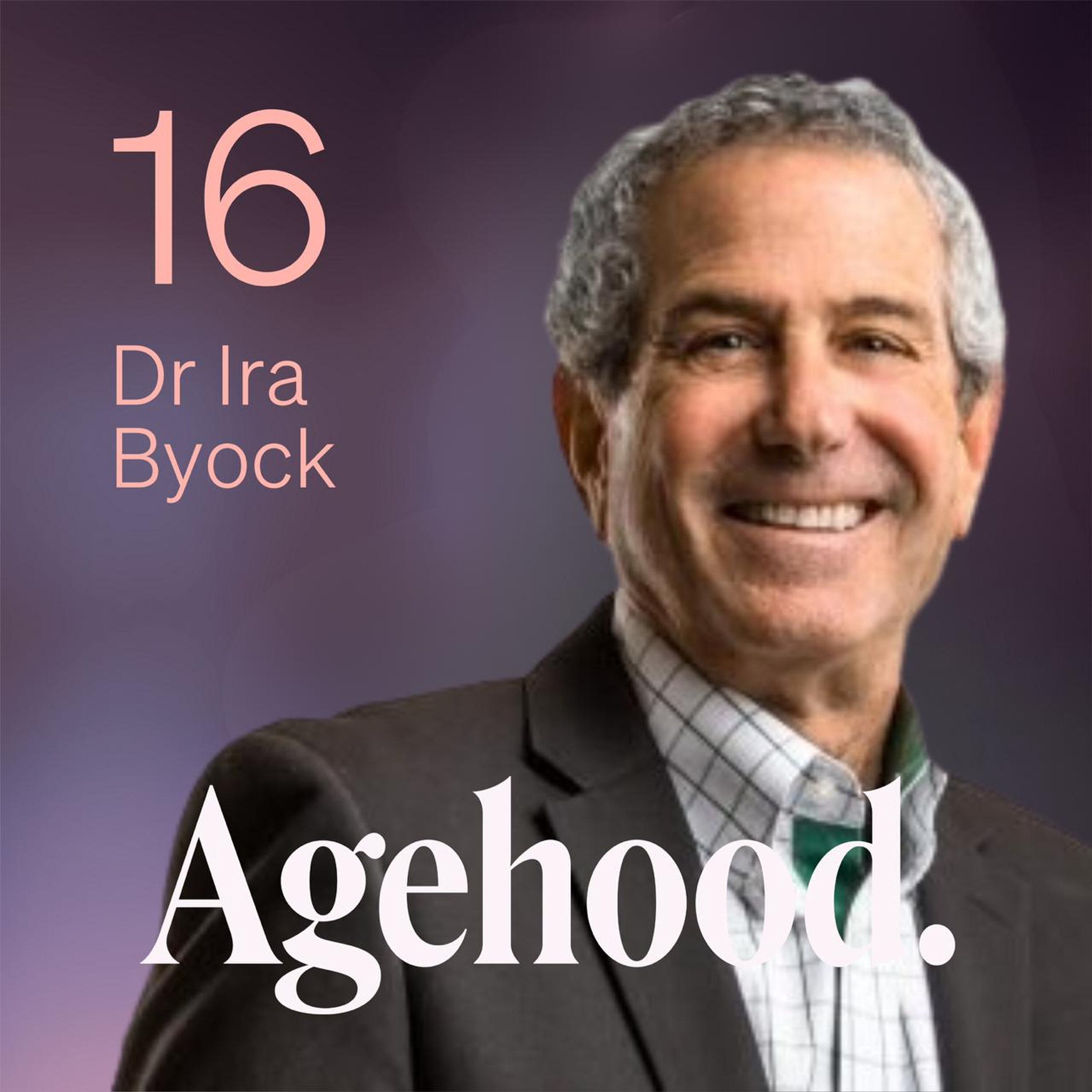
Please forgive me. I forgive you. Thank you. I love you. Byock is clear these are not deathbed rituals to be saved for the last minute; they are ways of completing a relationship at any ordinary moment, so that nothing important is left unspoken. None of our relationships are perfect, which is rather the point of the first two. Families who have these conversations early often carry far less regret afterwards, and more than a few describe the final stretch as the closest they ever were.
The money and wills conversation
Running alongside the emotional conversation is a practical one that families often dread even more: wills, power of attorney, and who is allowed to make decisions if a parent one day cannot. It is easy to put off because it feels grasping, even morbid. The trick is to treat it as a conversation, not a stack of paperwork. The reason to raise it early is not to sort the forms in a single afternoon; it is so that if you ever have to decide for a parent, you are carrying out their wishes rather than guessing at them. Marie Brownell, who works in estate planning, says that is precisely what turns an impossible decision into a bearable one.
"you have to make a decision and you're thinking, am I making the right decision? Well, unless you've had the conversation, you're not going to know 100% whether it's that or the other. Having that conversation gives you that comfort. So I have done what they've asked me to do or what they expressed they wanted in these circumstances."

Knowing what a parent wants also gives you the authority to hold your ground when a relative starts second-guessing you, because you can say, honestly, that you are doing what they asked. Once the wishes are clear, the documents are the easy part. A will, an enduring power of attorney and a medical or advance care directive go by different names depending where you live, and a solicitor or your country's public trustee can usually draw up the set for very little. This guide stays on the conversation rather than the forms; if you are in Australia, our Australian guide walks through how those documents and the aged care system actually work. Where a parent wants to be cared for is part of the same discussion, and our guide to staying home vs aged care covers how families weigh that up.
Asking what they actually want
The softest part of the whole conversation is often the most revealing. What would a good ending look like to them? Where would they want to be, who around them, what would they want remembered, and yes, when the time eventually comes, what kind of send-off. Asked in the spirit of curiosity rather than logistics, these are not grim questions at all. They treat dying as part of a life worth talking about instead of a subject to be managed, and some parents will surprise you by how ready they are to answer. Lucinda Holdforth, who cared for both of her parents to the end, watched two very different relationships with that question.
"my father would have lived forever if he could. My mother was done, she was ready to go and I think she hated being in that state and I think that was a very sad few years for her."

A parent feeling done is real, Holdforth says, not a projection of the exhausted son, daughter or carer, and hearing it is one of the hardest parts of caregiving. Her plea is for an ethos of living well and dying well rather than life at any cost, which starts with actually knowing what "well" means to the person in the bed. The gentlest version of the question is also the one that tends to matter most: what would you want the people who come after you to know about you. That is a legacy, not a legal document, and the five-question approach in our guide to questions to ask your ageing parents is a lovely place to begin asking it. If that time has already passed for you, our guide to losing a parent covers what comes after.
Frequently asked questions
How do you start a conversation with elderly parents about death?
Start small and start early, long before anyone is unwell. Rather than calling a big family meeting, raise it one to one and lead with your own worry, something like: I have got something on my mind and I would love your help thinking it through. Then ask your question and stay quiet for longer than feels comfortable. Palliative care physician Dr Kathryn Mannix calls these tender conversations, and they usually take several goes rather than one sitting.
What should you say to a dying parent?
You do not need the perfect words. Palliative care physician Dr Ira Byock found that the things that matter most come down to four phrases: please forgive me, I forgive you, thank you, and I love you. When a parent is frightened or sad, resist the urge to fix it or reassure too quickly. Openers like tell me more, or what is the worst part of this, help far more than anything that begins with the words at least.
Does talking about death make it more likely or more frightening?
No. Talking about dying no more causes it than talking about anything else brings it about, and avoiding the subject only leaves families guessing later. If anything, the fear tends to shrink once the unknown is named out loud. Understanding the ordinary shape of dying, which looks broadly similar whether the illness is heart failure, dementia or cancer, tends to replace dread with something steadier.
How do you bring up wills and power of attorney without it seeming like you are after their money?
Frame it as protecting their wishes, not managing their estate. The reason to raise a will, power of attorney and medical decision documents early is so that if you ever have to act for them, you are following what they wanted rather than guessing, which is a comfort to everyone. Keep the conversation about what matters to them; the forms themselves are quick and inexpensive to draw up with a solicitor or public trustee once the wishes are clear. If you are in Australia, our Australian guide explains how those documents work locally.
What if my parent says they are ready to die or does not want more treatment?
Take it seriously rather than arguing them out of it. Author Lucinda Holdforth, who cared for both her parents, describes one parent who would have lived forever and another who was genuinely ready to go, and says a parent feeling done is real, not something you are imagining. Ask them what living well would look like from here, and make sure the medical team and any advance care directive reflect it. This is also where grief for a parent who is still with you often begins, which our guide on grieving a parent who is still alive covers.
Keep going
Ease into the conversation, sit with the grief that comes with it, or hear these experts in full.