

What to Say to Someone Who Is Dying (When the Words Will Not Come)
When a parent or someone you love is close to the end, the fear of saying the wrong thing can keep you from saying anything at all. Here is the quiet truth that carers learn at the bedside: you do not need the perfect words, and the plain ones are almost always enough. This is a gentle guide to what to say, what to leave unsaid, and how to be there when the words will not come.
You do not need the perfect words
Most of us freeze at a deathbed because we are auditioning sentences in our heads, hunting for something wise enough to match the moment. There is nothing. And the search itself pulls you out of the room and away from the person in front of you. What a dying parent needs is not eloquence. It is your presence, your attention and the willingness to sit with feelings that cannot be fixed.
If it is not too late for the slower conversation, the one that happens over months rather than at the bedside, our guide to talking about death with your parents covers how to start early, before a crisis. This page is for the harder, closer moment, when death is near and you simply want to be with them well. Palliative care physician Dr Kathryn Mannix spent a career at that bedside, and her most repeatable advice is not a phrase to say but a posture to hold.
"we're prepared to sit with people's uncomfortable emotions. ... God, this really matters to you, doesn't it? And it's making your feelings really strong, isn't it? This is really hard for you, isn't it? And it's hard for me too."

Notice what she is doing. She is not solving anything. She is naming the feeling in the room and letting the other person know it is shared. That is what to reach for when your mind goes blank: reflect back what you see, stay quiet longer than feels comfortable, and let them lead. Silence beside someone you love is not a failure to find words. It is one of the most eloquent things you can offer.
Words of comfort worth saying out loud
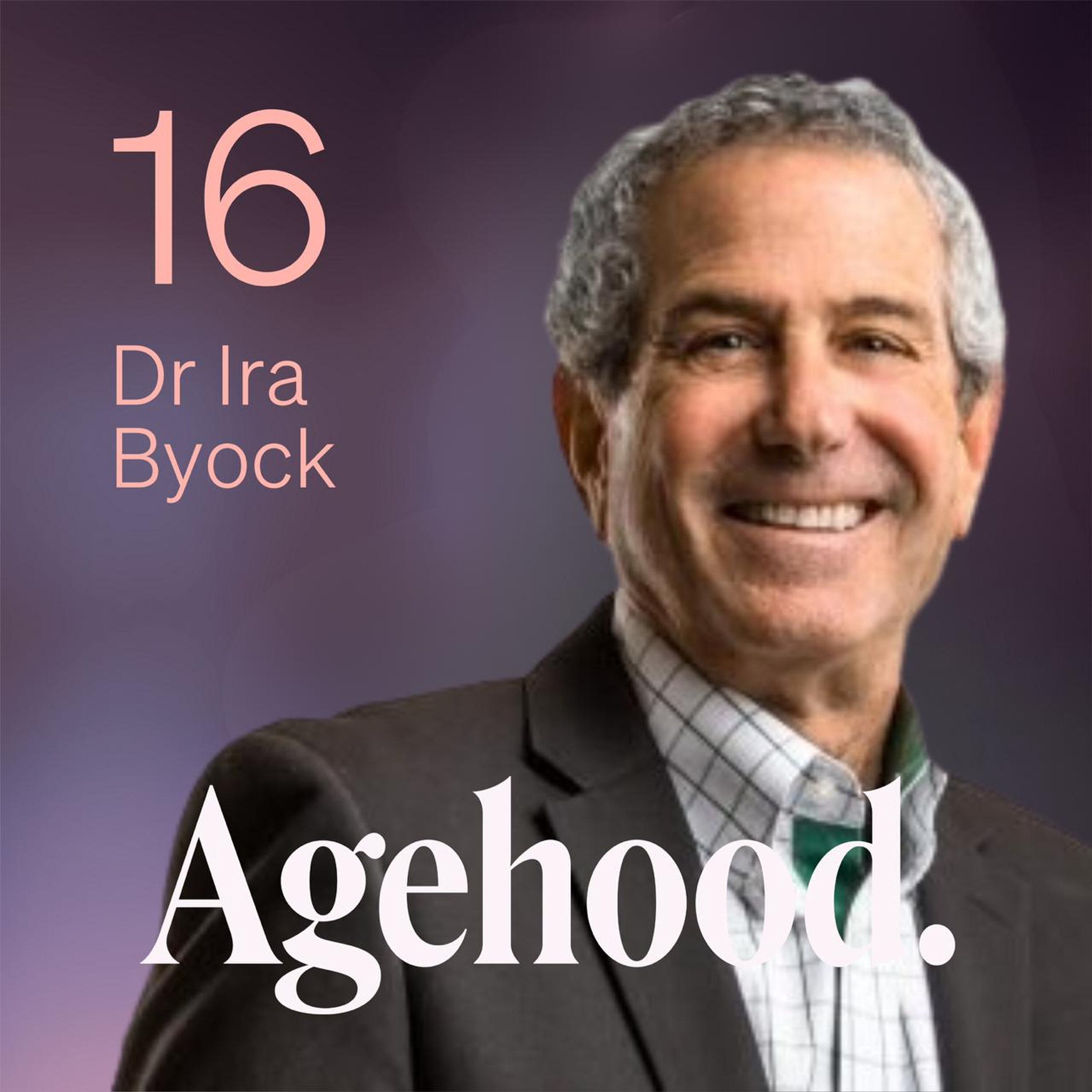
When you do want words, keep them small and true. Over years of sitting with dying people, the American palliative care physician Dr Ira Byock noticed that the things left to say almost always come down to four: please forgive me, I forgive you, thank you, and I love you. You do not have to deliver them as a speech. A single honest sentence, spoken plainly, is enough. Byock is careful to say this is not really about dying at all.
"I think the four things are really not about dying. They're about completing relationships. And I don't even mean completing is different than ending. I mean completing relationships in the manner that a circle is. When a circle is complete, it's unbroken. It can roll on. ... I like to keep my relationships complete ... so that there's nothing critically important left unsaid."
None of our relationships are perfect, which is rather the point of the first two. You do not need to resolve a lifetime to say thank you for a single thing, or to say you are sorry for one. And the most reliable comfort of all is specific: not a grand tribute but a named memory. Thank you for teaching me to drive. I still make your soup. You were a wonderful mum. Telling someone exactly what they gave you lets them know their life landed, that it mattered, and that it will keep mattering after they are gone.
What not to say when death is close
There is no list of forbidden phrases, and a clumsy sentence said with love does no harm. But a few habits, however well meant, tend to close the door on the very conversation a dying person is trying to have. Almost all of them come from our own discomfort rather than theirs.
- False cheer. You will beat this, or stay positive, can leave a dying person feeling they have to keep up a brave face for your sake. Try instead: I am here, and I am not going anywhere.
- Correcting them. If they are frightened, sad, or say they are ready, do not argue them out of it. Their feeling is not a problem for you to solve. Try: tell me more about that.
- Filling the quiet with logistics. Medications, appointments and paperwork have their place, but not in every visit. The forms can wait; this time cannot.
- Making them comfort you. Your grief is real and you do not have to hide it. But let the moment be theirs. If you need to fall apart, that is what the car park, and your own people, are for.
The thread running through all of it is simple: say less, listen more, and let them set the direction. An opener as ordinary as what is on your mind leaves room for an answer you could never have scripted.
Silence, presence, and simply being there
As the end comes closer, words matter less and presence matters more. A parent may sleep for long stretches, drift in and out, or stop talking altogether. Keep showing up anyway. It is often said that hearing is one of the last things to fade, so keep talking softly, play the music they love, read to them, or just hold their hand and let the quiet do the work. If they seem to be somewhere else, or speak of leaving or going home, you do not have to correct them. Meeting them where they are is kinder than pulling them back. Singer-songwriter Katie Noonan was beside her father when he died at home, and describes what that presence made possible.
"it really was a perfect death... We got dad home on the Wednesday and he was gone by Friday night and we were all there"

Not every family gets a gentle ending like that, and where a parent wants to spend their final days is worth asking about long before it is decided for you. But the part you can almost always offer is the part Noonan names last: we were all there. You do not have to say anything profound to be present. You just have to stay. And if you find yourself grieving the parent in the bed while they are still breathing, that ache has a name and a place of its own in our guide to grieving a parent who is still alive.
How to say goodbye, and what you carry after
Saying goodbye to a dying parent is the part people dread most and script the least. There is no right way. Goodbye can be a formal moment or a whispered thank you for being my dad. It can be permission, telling a parent you will be alright so they can stop holding on. And it is worth knowing that a goodbye rarely rests on one perfect sentence at the end. Former NSW Premier Bob Carr, who lost his wife of fifty years, found comfort in realising how much had already passed between them without ever being formally said.
"I felt that we had implicitly communicated to one another how much life together meant to us. Just little touches, deft touches. And I'm certain she picked up in recent years the sense I had that this was a good life."

If you are frightened you have left too much unsaid, take that in. Decades of small touches, ordinary kindnesses and shared jokes have been saying it all along. Anything you add now is a gift, not a repair. And when the goodbye is over, the relationship does not simply end. Carr describes the one thing bereavement cannot take.
"The reason to go on living is very largely that you're the one person with all those rich memories and she's not gone while you're still being shaped by her love, which you've taken inside you."
That is the quiet reassurance to carry into the room: the love you are trying to put into words does not disappear. You take it inside you, and it keeps shaping the life you go on to live. When the goodbye has already happened and you are the one left carrying it, our guide to losing a parent picks up the story from there. For a softer on-ramp to these conversations while there is still time, our guide to questions to ask your ageing parents turns them into an ordinary cup of tea, and the wider story of the sandwich generation is why so many of us are learning all of this in midlife, with children still at home.
Frequently asked questions
What do you say to a parent who is dying?
You do not need the perfect words, and there is no script that makes this easy. The things that land are usually the plainest ones: I love you, thank you, I am here, I am not going anywhere. Say a specific memory out loud, something only the two of you share. And listen more than you talk. Sitting quietly beside someone, holding their hand, is itself an answer, often the kindest one you can give.
What are the best words of comfort for someone who is dying?
Comfort comes from being met, not from being cheered up. Naming what they gave you lands more gently than any grand statement: thank you for teaching me to drive, I still make your soup, you were a wonderful mum. Reassurance that they will not be alone helps too. Resist the urge to promise recovery or to make them feel they must stay positive for your sake. Presence, touch and honesty are the real words of comfort.
What should you not say to someone who is dying?
Avoid false cheer like you will beat this or stay positive, which can leave a dying person feeling they have to perform for you. Do not correct them or argue them out of what they are feeling, and do not fill the silence with logistics or medical detail. Try not to make them comfort you. If you cry, that is fine, but let the moment be theirs. Openers like tell me more, or what is on your mind, leave room for whatever they need to say.
How do you say goodbye to a dying parent?
Say it in your own words, in whatever way feels true to your relationship. Goodbye can simply be thank you for being my dad, or I will be okay, you can rest. Many caregivers find that giving a parent permission to let go, telling them you will be alright, is one of the most loving things they can offer. And take heart: if you have loved each other for decades, you have very likely already said goodbye a thousand times in small, wordless ways.
What if my dying parent is frightened, confused, or cannot talk?
When a parent is frightened, do not rush to fix it or talk them out of the fear. Naming it gently, this is really hard, I am right here, does more than any reassurance. If they are drifting or seem to be somewhere else, meet them there rather than correcting them. Even when someone can no longer respond, it is often said that hearing lingers, so keep talking softly, play music they love and hold their hand. This is also where grief for a parent who is still alive tends to begin.
Keep going
Start the conversation earlier, sit with the grief that comes with it, or hear these experts in full.